

Luxury's New VIP
Why Brands Are Courting Customers On The Way Up

For years, luxury retail operated according to a simple rule: follow the money.
The best sales associate, the private shopping room, the first look at a new collection, invitations to dinners and special events… all were generally reserved for the customer already spending enormous amounts of money.
But something interesting is happening in fashion. Some of the smartest brands are beginning to realize that perhaps the customer worth courting isn’t only the one spending $100,000 today. It may be the customer spending $5,000 who could become the $25,000 customer tomorrow.
McKinsey’s research increasingly points to the importance of these aspirational luxury consumers. In fact, McKinsey has estimated that aspirational consumers represent roughly half of the luxury market’s value, a rather large group to make feel like second-class citizens.
And that’s where the so-called challenger brands are becoming particularly interesting.
These are the younger, smaller or more disruptive labels nipping at the heels of established houses. They may not possess the history of Hermès, the global footprint of Louis Vuitton or the quiet-luxury credentials of Loro Piana, but many have figured out something the giants occasionally forget: People spend more money where they feel appreciated.
Jacquemus, Lemaire, Aritzia and Toteme are such brands that have found a lane to shoppers who feel appreciated even if their Visa checkout was $450.00 not $4,500.00
McKinsey’s 2026 research found that 68 percent of American luxury consumers believe newer or disruptive brands better reflect their identity, versus 63 percent for established luxury houses. Even more telling, consumers increasingly associate exclusivity with cultural relevance, recognition and belonging, not simply price or scarcity.
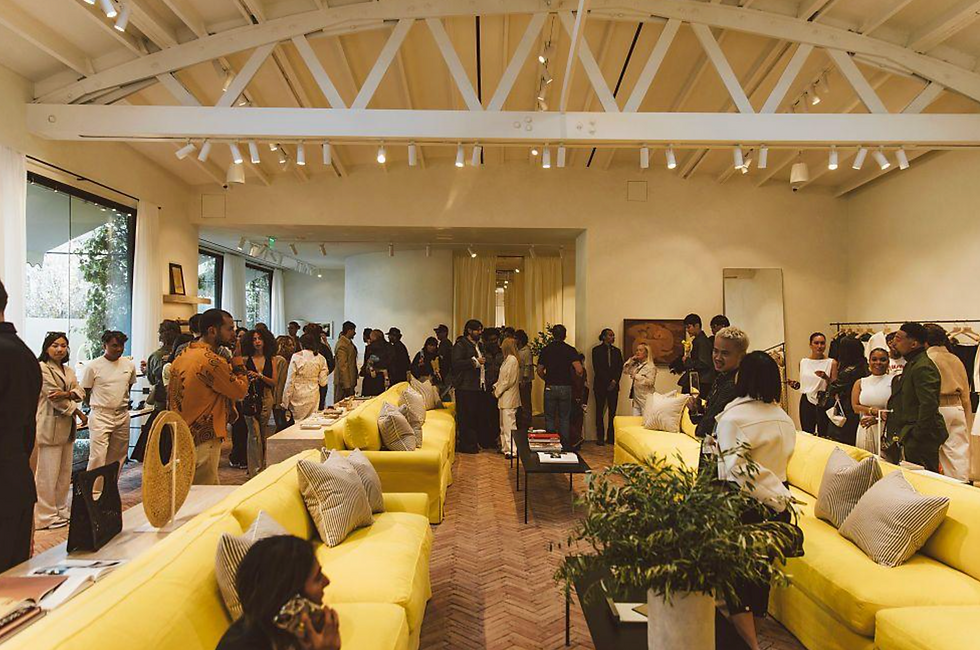
The aspirational customer walking into a boutique may not be wearing a $20,000 watch or carrying the store’s most expensive handbag. But treat that person exceptionally well, remember his name, understand her taste, send a thoughtful text when something appropriate arrives, invite them to an event, and suddenly you aren't simply completing a transaction. You are building a relationship, and relationships create loyalty.

This is particularly important because luxury spent much of the past several years doing exactly the opposite. Prices soared (McKinsey reports average luxury prices increased 61 percent between 2019 and 2025) while many aspirational consumers began questioning whether creativity, quality and service increased along with them.
Apparently, putting another zero on the price tag isn't a client-engagement strategy.

Challenger brands have an opportunity precisely because they often make customers feel that they have discovered something. Their stores can feel less intimidating. Their salespeople can behave more like knowledgeable enthusiasts than velvet-rope gatekeepers. Their events can create community rather than merely reinforce hierarchy and their “influencer” gang maybe made up of hundreds of mid-level posters compared to one celebrity Tik-Toker.
McKinsey says nine in ten consumers identify being part of a like-minded community as an important driver of brand connection, while more than half of fashion executives now cite customer retention as a major industry theme, because today's $3,000 customer may be tomorrow's $30,000 customer. The question is which brand will be standing beside them during that journey.
The old luxury model essentially said: Spend enough money and we'll make you feel important. The emerging model says something considerably smarter: We'll make you feel important and perhaps you'll want to spend more money with us.
That isn't lowering the velvet rope.
It's understanding who deserves to be invited behind it.


Comments