

OFFICE DRESS
Covid was 6-years ago. Throw the PJ's away

The great return-to-office experiment, once framed as a reluctant march back to fluorescent lighting and passive-aggressive thermostats, has quietly turned into something far more consequential: a full-blown resurrection of the apparel industry’s will to live.
For a few bleak years, fashion executives had to pretend that drawstring pants were a “category” and that selling $98 hoodies to people who hadn’t seen a button in months was somehow sustainable. Comfort wasn’t king, it was sole proprietor. If it stretched and didn’t itch, it sold. Style was optional: just look around at business travelers. Ugh.
Then came the memos. The polite corporate language with sharp edges. “Hybrid encouraged.” “In-person collaboration.” Translation: enough with the elastic waistbands, we’d like to see your torso again and at a desk. And just like that, apparel woke up.
You can see it in the numbers, but more interestingly, you can see it in who’s suddenly relevant again. Ralph Lauren never really went away, but its universe of polished Americana now feels less like nostalgia and more like instruction. Blazers, crisp shirts, proper trousers with a belt, Oh No! The kind of wardrobe that suggests you might actually have a meeting worth attending. After years of being outflanked by hoodies, Ralph Lauren looks like the leader he always was, like the adult in the room who knew this would all end eventually.
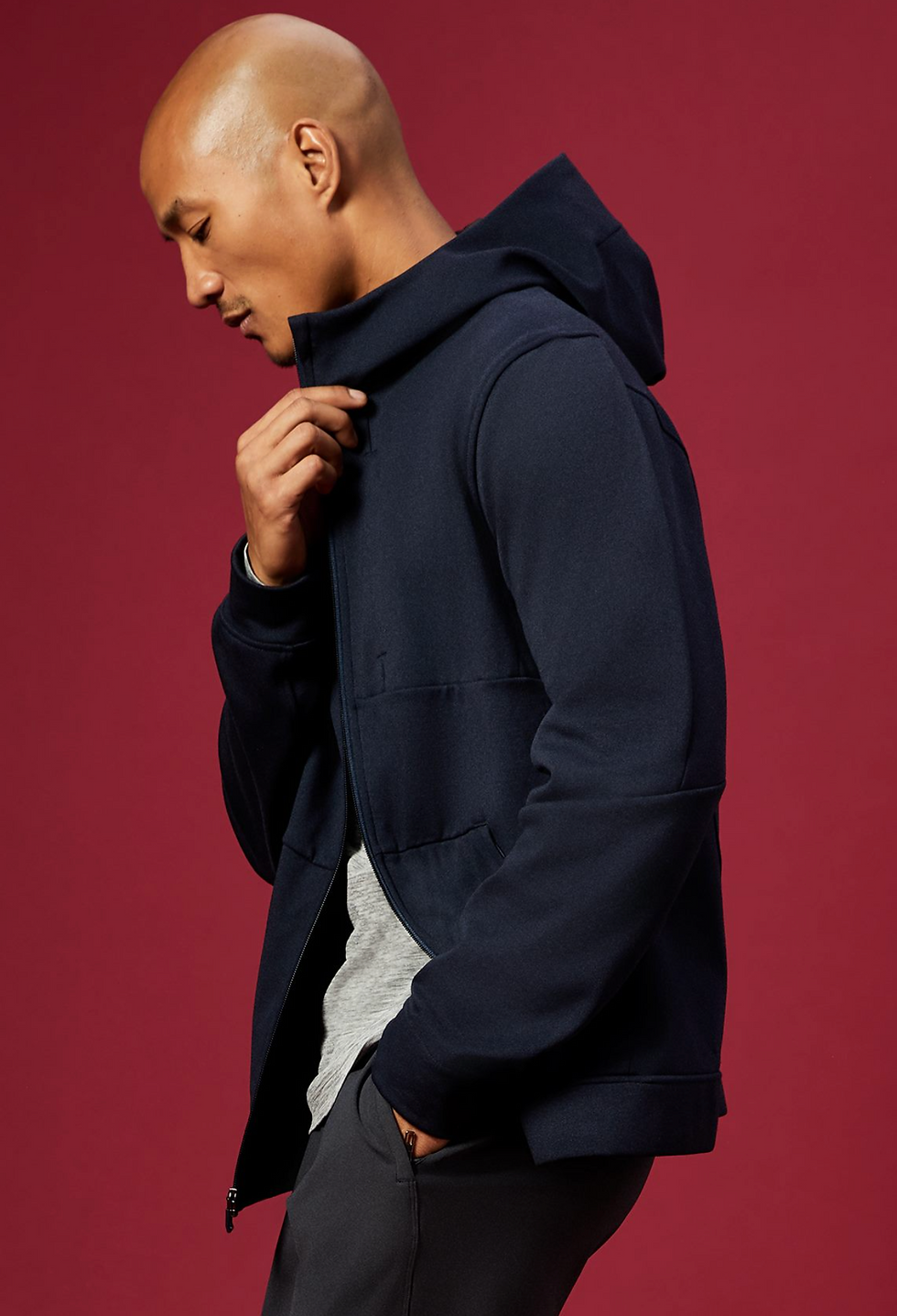
Meanwhile, Lululemon, the undisputed king of the pandemic uniform, is performing a delicate balancing act. It built an empire on the idea that you could live your entire life in technical stretch fabric. Now it’s trying to convince the same customer that its “office-appropriate” trousers are just as comfortable, but somehow serious enough to sit across from a CFO. We don’t like it and think it will continue to fail…especially since Vuori is eating their lunch. Note to Lululemon: stay with the yoga classes in the park or mall courtyard and sell black stretch to overweight women.
At the sharper end of the spectrum, Brunello Cucinelli is having a moment that feels almost poetic. The house has always trafficked in elevated ease, soft tailoring, cashmere that whispers rather than shouts. Cucinelli’s issue is simple: price. So if the CEO can afford it, the wannebe associates will have their work cut out for them.
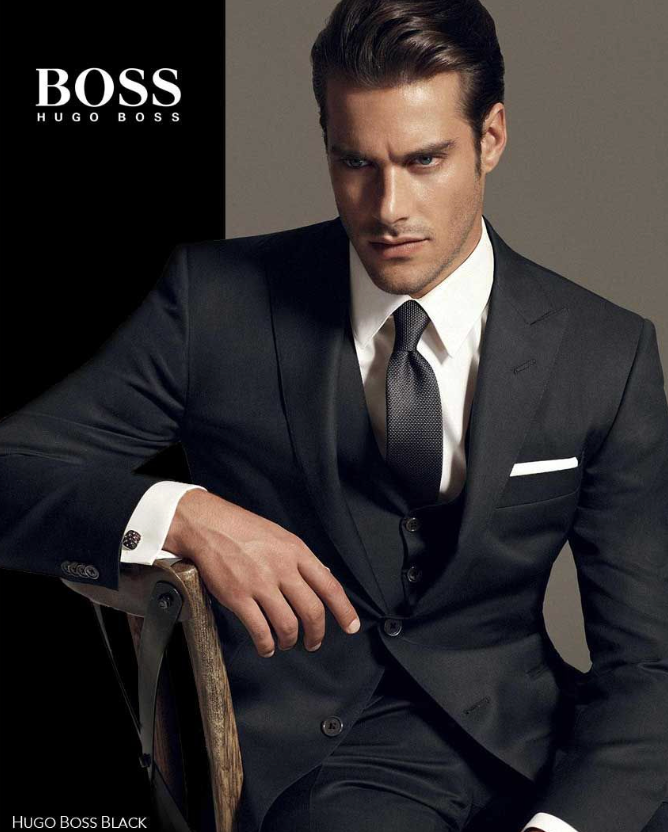
Even Hugo Boss, which spent the better part of a decade trying to convince the world it was cooler than its corporate DNA suggested, is benefiting. Turns out, being known for suits and structured clothing is not a liability when people suddenly need suits and structured clothing again. The brand didn’t change. The environment did. Timing, as always, is everything and Boss is gaining.
And finally there’s Nike, which is discovering that while sneakers will always have cultural dominance, there’s only so many “lifestyle” pairs a person needs when they’re back to commuting, walking into offices, and occasionally being judged from the ankles up. Performance remains its fortress, but fashion relevance requires a slightly more dressed-up consumer than the one who lived in sweats for three years and sported a Swoosh.
The beauty of the return-to-office shift is that it doesn’t demand elegance, it simply reintroduces accountability. You don’t need to dress like a banker from 1987, but you do need to look like you made a decision. And in fashion, decision-making is where margins live.
A simple grey suit, navy blazer, 4 clean shirts with collar and a proper leather belt will get you thru a week, weekend and even church on Sunday.Add on a watch that doesn’t count your steps and leather sole shoes and you could conquer the world.
The return to office isn’t just about productivity or culture decks. It’s about optics. And optics, inconveniently, require putting some thought and time into a wardrobe.
Do it, please.


Comments