

Preening The LVMH Gardens
LVMH continues to get its house in order amid lagging sales
For two decades, LVMH operated like the Roman Empire wearing alligator slip-ons. If a billionaire in Dubai, Palm Beach, Shanghai, or Saint-Tropez wanted to signal wealth, odds are Bernard Arnault’s empire was there waiting with a monogram, a diamond, a bottle, or a leather shopping bag large enough to fit a small child. Problem solved.

Now? The machine tightly controlled by the family Arnault, suddenly looks like there is some perforation, and not just on the $12,000 leather jackets. LVMH is not collapsing, nor is it exactly panicking. But you could say its sweating through its bespoke tailoring a little harder than usual.
The latest numbers out of LVMH tell a story the luxury industry desperately doesn’t want printed on thick cream-colored stationery: the boom years are over, and the hangover has arrived and it looks as though it is wearing last season’s Dior.
Fashion & Leather Goods (the division powered by Louis Vuitton and Dior) slipped again. That’s the division that matters. This isn’t some side hustle selling scented candles in airport terminals. This is the engine room of modern luxury capitalism. Apparel drives sales! And when Apparel sales are flat, executives in Paris start stress-drinking espresso.

This is not a time to pop the bubbly, because there’s the increasingly messy situation at Moët Hennessy, (makers of Moet Chandon, Veuve, Krug and Dom) which has quietly become the luxury equivalent of the relative nobody wants seated at Thanksgiving dinner. Cognac demand has fell of the shelf, rolled on the floor and bounced down the marble stairs.
In China, demand has weakened for everything, especially spirits. In America, consumers finally noticed they were paying absurd prices for bottles that used to feel aspirational but now feel financially irresponsible. Travel retail slowed. Inventory stacked up. Margins tightened. Suddenly, the division that once printed money started looking like a very elegant bonfire and everyone started pointing fingers. It looks like The Joseph Phelps Winery will be first cork to pop and others may follow.

All of this after they dumped the Donna Karan brand, Private White and English shirtmaker Thomas pink, and before we even get to the awkward whispers surrounding brands like Marc Jacobs, Fresh, and Make Up For Ever. These labels are reportedly floating around the “should we quietly dump this?” conversation inside the LVMH palace.
Why?
The entire industry became addicted to price increases, and I mean addicted in a bad way. “hmmmm, wasn’t that $75.00 less when I looked at it in December?’ one might ask. No matter, LVMH jumped on the tariff bandwagon and shoved the costs tightly into the tissue that fills your brand new $15,000 cross-body. A handbag became an asset class. Stainless steel watches traded like tech stocks. Wealthy shoppers lined up to spend $4,000 on things their grandparents bought for $600 and somehow convinced themselves this was “timeless investment dressing.”
Noone seemed to care…until they all did.
Inflation arrived. Markets got shakier. China slowed. Iran threatened and Trump bombed. The ultra-rich stayed rich, but the aspirational luxury buyer (the person financing the fantasy) started disappearing. First slowly, then suddenly.

That’s the real danger for LVMH. It’s not the billionaires. There will always be billionaires. The problem is the lawyer making $450,000 who suddenly feels ridiculous paying $6,200 for a canvas tote that looked cooler at $2,900, or worse, the stay at home mom who does platies 5 days a week, lives in a $1.8M home and decided she has enough Neverfulls and switches to the $299.00 tote from Alo.
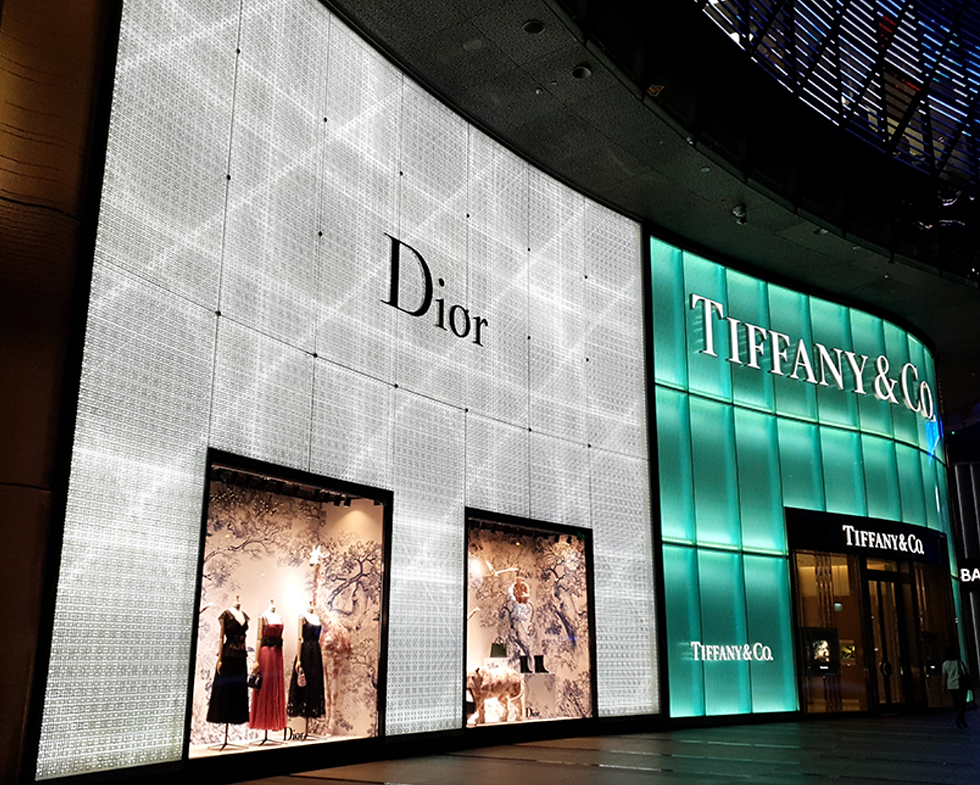
So, what happens next? First, expect more quiet surgery. LVMH will likely streamline brands, cut weaker performers loose, and double down on its true nuclear weapons: Vuitton, Dior, Tiffany, and Sephora. The era of carrying sleepy legacy labels just because they look nice in the annual report may be ending.
Second, expect an even harder pivot into ultra-ultra luxury.
Brands have learned that when middle-tier luxury weakens, conglomerates chase the very top. More private client experiences. More invitation-only collections. More one-of-one pieces. More “if you have to ask, you probably can’t buy it” energy. A curated IO cocktail party could produce 5x a weekly sales number in just 3 hours, not to mention millions of impressions from the 24-yr old influencer crowd. (don’t get me started)
Third, watch the hospitality and experiential push intensify. LVMH doesn’t just want to sell you a bag anymore. They want to own your hotel suite, your beach club, your champagne, your yacht weekend, your spa, your fragrance, and eventually your bloodstream. They want to brand you! The future is ecosystem luxury. The dream isn’t a purchase. The dream is permanent enrollment. Sales associates are now told to reconnect with the one-off shopper who may have maxed out his CC on a $450.00 belt for her birthday. Those ‘off-the-tier’ shoppers suddenly matter. Its an ambitious but welcome plan.
And finally (perhaps most importantly) expect image rehabilitation. Because somewhere along the way, luxury stopped feeling elegant and started feeling exhausting. Waiting lists. Games with sales associates. Manufactured scarcity. Artificial exclusivity. Stores filled with security guards and attitude. Consumers tolerated it during the boom because asset markets were exploding and everyone felt rich but that mood is fading like stone wash denim for $3,000.
People still want luxury. But increasingly, they want authenticity, craftsmanship, and discretion. Performative wealth cosplay with a side of humiliation is not what’s selling and LVMH knows it from several angles, because luxury is theater. And when one act stops working, you change the script before the audience notices the scenery wobbling.
That’s the plan for the worlds biggest fashion house.
Bon Chance!


Comments