

Quiet Value For Men

The Quiet Value Club: Menswear’s Best-Kept Secrets
Luxury menswear has always been a curious business. Walk into the right boutique and you can spend $4,000 on a blazer that looks suspiciously similar to the one hanging two racks over for $900. The difference? Completely unknown.
Yet, in recent years, a small but growing group of brands has begun quietly disrupting the traditional luxury formula. They deliver excellent fabrics, respectable tailoring, and genuinely stylish clothes, without the “mortgage payment for a sport coat” pricing. These companies operate in what might be called the Quiet Value Club, and their members include names like Boggi Milano, Spier & Mackay, SuitSupply, Luca Faloni, and a few other insiders’ favorites.
They’re the brands that menswear enthusiasts whisper about the way wine collectors talk about an obscure Burgundy producer or even the “hard to believe reed from Trader Joe’s”
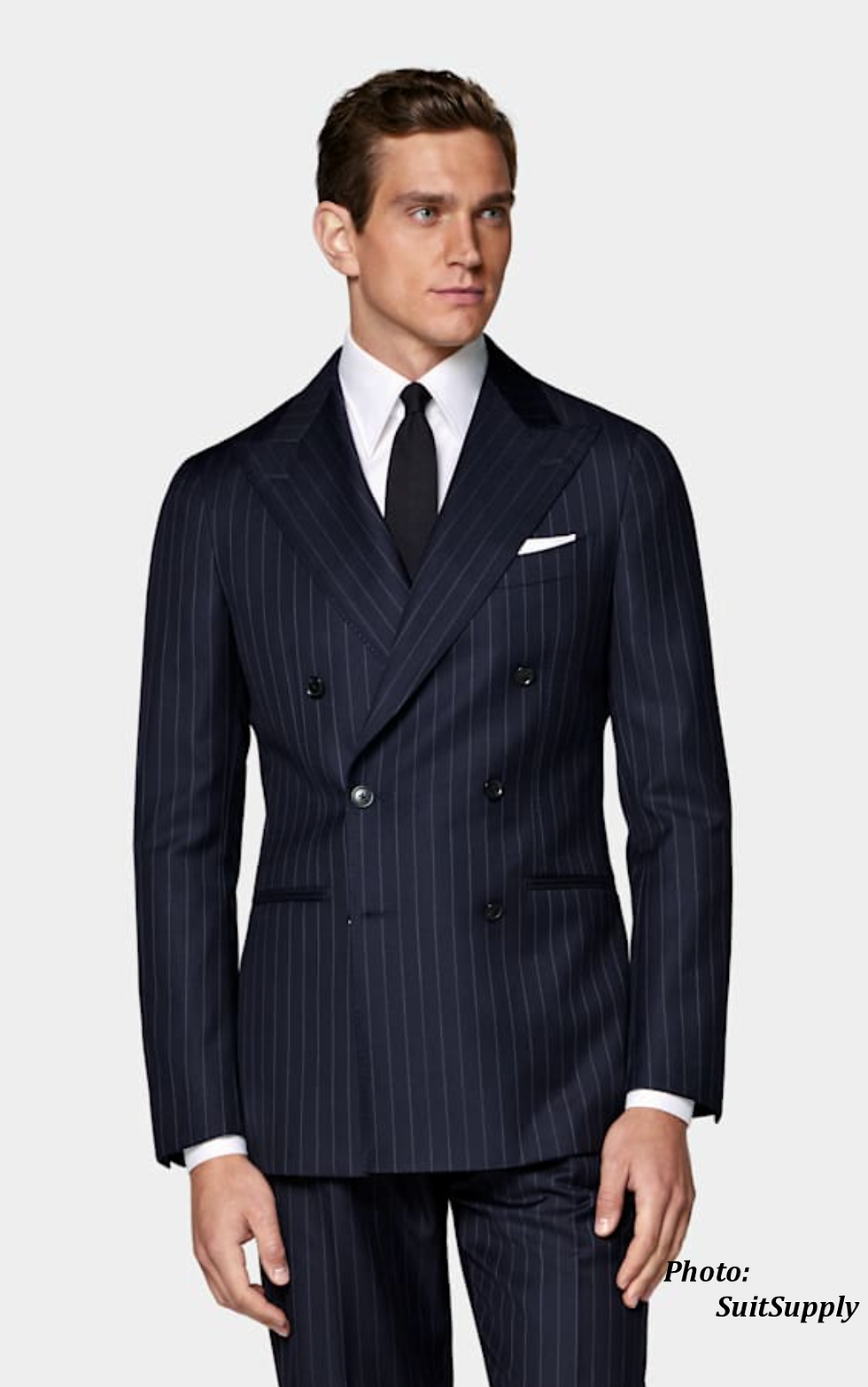
Take SuitSupply, perhaps the best-known of the bunch. Founded in the Netherlands but styled like a Neapolitan playboy’s wardrobe, SuitSupply has built an empire on the radical idea that men like good tailoring at sane prices. Half-canvas suits, Italian fabrics, and sharply cut jackets appear in stores for $600 to $900. In the traditional luxury retail model, a similar suit might appear at $2,400 with a discreet logo and a marketing story involving a Tuscan hillside. SuitSupply skips the poetry and sells you the suit. It is my personal #1.
Then there’s Spier & Mackay, the Canadian brand that tailoring aficionados treat like a secret society. To the average shopper, the name sounds vaguely like a law firm in Toronto. But among menswear nerds, it has near-cult status. Why? Because Spier & Mackay does things the old way with half-canvas construction, horn buttons, excellent fabrics from mills like Vitale Barberis Canonico. Pricing? Suits in the $500 to $700 range. In other words, they’re making suits with the bones of traditional luxury tailoring at the price point where most brands are still selling glued-together department store jackets.

Over in Italy, Boggi Milano plays a slightly different game. The brand has hundreds of stores across Europe yet remains oddly under-the-radar in the United States. (3 now in NYC and a new store just opened in Miami). Boggi specializes in what might be called “executive Italian minimalism.” Clean tailoring, beautiful fabrics, modern cuts and everything you need to look like the CEO of a tasteful fintech startup in Milan. Their suits often land between $700 and $1,200, which in the world of Italian tailoring counts as practically charitable. Their tees and knits are absolutely the best and probably their biggest sellers. The stores are perfectly color blocked by season and trend. Easy shopping at a great price.

Then there is Luca Faloni, a direct-to-consumer brand that has quietly become a favorite among the “Capri vacation wardrobe” crowd. Faloni focuses on luxurious basics: linen shirts, cashmere sweaters, suede jackets. The trick is their business model. By selling directly rather than through department stores, Luca Faloni can offer Italian linen shirts around $150 to $200 and excellent cashmere under $50. These are numbers that would normally make a luxury retailer faint dramatically onto a chaise lounge. The result is clothing that feels like Brunello Cucinelli’s relaxed younger cousin. Very polished, understated, and suspiciously affordable.
Of course, these brands all share one important characteristic: they spend less money convincing you they are luxurious. Traditional luxury brands operate on a formula where marketing, boutiques, fashion shows, and celebrity endorsements are all baked into the price tag. The suit you buy is not just wool and stitching, it’s also paying for the ad campaign shot in Lake Como or the cost of casting an F-1 driver for the shot.
Quiet Value brands skip most of that. They rely instead on direct sales, streamlined distribution, and a growing community of well-informed customers who have figured out that great tailoring doesn’t have to require a trust fund.
And that’s really the secret.


Comments