

Whom Do You Desire?
Desire leads to purchases. Who is leading the way?

You likely buy from Luxury brands…you know the ones: Gucci, Louis Vuitton, Prada, Chanel and others.
But purchasing is the end result of desire. Before placing the Black Card down, you probably had an itch, saw an ad or needed some retail therapy. So, what brands lead the half-year mark for desirability?
Latest rankings show Louis Vuitton firmly at the top of the global luxury hierarchy, not simply because it is one of the world's largest brands, but because it has mastered something far more difficult: becoming part of the cultural conversation every single week.
Luxury today is measured by far more than annual revenue. Search traffic, social engagement, influencer conversations, resale demand, earned media, and brand value now combine to create a remarkably accurate picture of consumer aspiration. The brands leading these rankings are those that people don't merely admire but actively chase.
There seems to be no company who demonstrates this better than Louis Vuitton.
Since Pharrell Williams took over as Men's Creative Director, Louis Vuitton has transformed runway shows into global entertainment events. His Paris debut attracted celebrities ranging from Beyoncé and Jay-Z to LeBron James and Zendaya, while every new Speedy bag, sneaker collaboration, or capsule collection becomes instant content across Instagram, TikTok, and YouTube. Rather than relying solely on heritage, Vuitton has positioned itself at the intersection of luxury, music, sports, and pop culture. Every launch feels like an event, and events create desire, which ultimately means sales.
The rest of the Top 10 illustrates that there is no single formula for success.

Hermès and CHANEL continue proving that scarcity remains one of luxury's most powerful marketing tools. Birkin and Kelly bags still carry waiting lists measured in months (or even years) while Chanel continues to carefully control distribution and pricing. When almost everything is instantly available, saying "no" has become one of luxury's greatest competitive advantages. The harder something is to obtain, the more people want it. Go Figure.
Meanwhile, Christian Dior, Chanel and YSL, have expanded desirability through beauty. A consumer may not be able to purchase a Lady Dior handbag, but they can experience the brand every morning through Dior Sauvage, Dior Addict lipstick, or Chanel No. 5. Beauty serves as an accessible gateway that often leads consumers toward higher-ticket purchases later in life. The licensing revenue these brands generate in their beauty lines is staggering and many times carries the brands over runway flops.
Other brands have successfully tapped into cultural aesthetics.

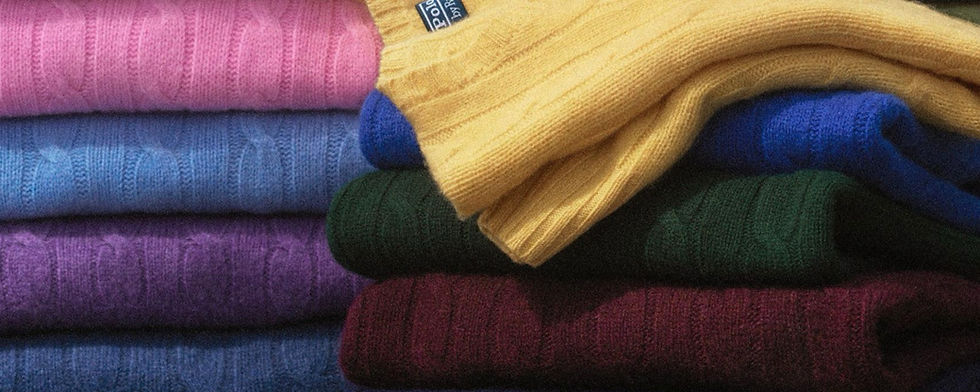
Ralph Lauren has become the unofficial uniform of the "old money" movement dominating TikTok and Pinterest. Linen blazers, cable-knit sweaters, tailored chinos, and polo shirts have become visual shorthand for timeless American elegance. The US Open, Wimbledon and other high end events have positioned the brands visibility to a global audience. Whether or not someone owns a waterfront estate in Newport or a home in the old west is almost irrelevant; the aspiration to live like Ralph, is enough.

Likewise, Saint Laurent continues to own sleek, cinematic glamour. Anthony Vaccarello's sharp tailoring, monochromatic palettes, and rock-and-roll edge consistently resonate with consumers seeking understated confidence rather than loud logos. YSL has been a consistant ppresence in this category and its sales have risen accordingly.
The bottom of the rankings also offers valuable lessons.

Versace remains instantly recognizable through its iconic Medusa logo and bold prints, yet visibility alone doesn't guarantee growing desirability. Likewise, Balenciaga continues generating headlines through controversy and provocation, but attention is not always admiration. Can you name a recent “wow” moment for any item from these brands?
In luxury, the quality of conversation matters far more than the quantity and Versace and Balenciaga aren’t getting talked about.
The lesson for every luxury brand is increasingly clear. Heritage opens the door, but culture keeps people coming back. The brands that will dominate the next decade won't simply introduce seasonal collections, they'll create moments that consumers feel compelled to watch, share, discuss, and ultimately own. In today's luxury marketplace, desirability isn't built in the atelier alone. It's built wherever fashion intersects with culture, and that intersection has become luxury's most valuable asset.
Look and listen and you will see the clear winners.


Comments